

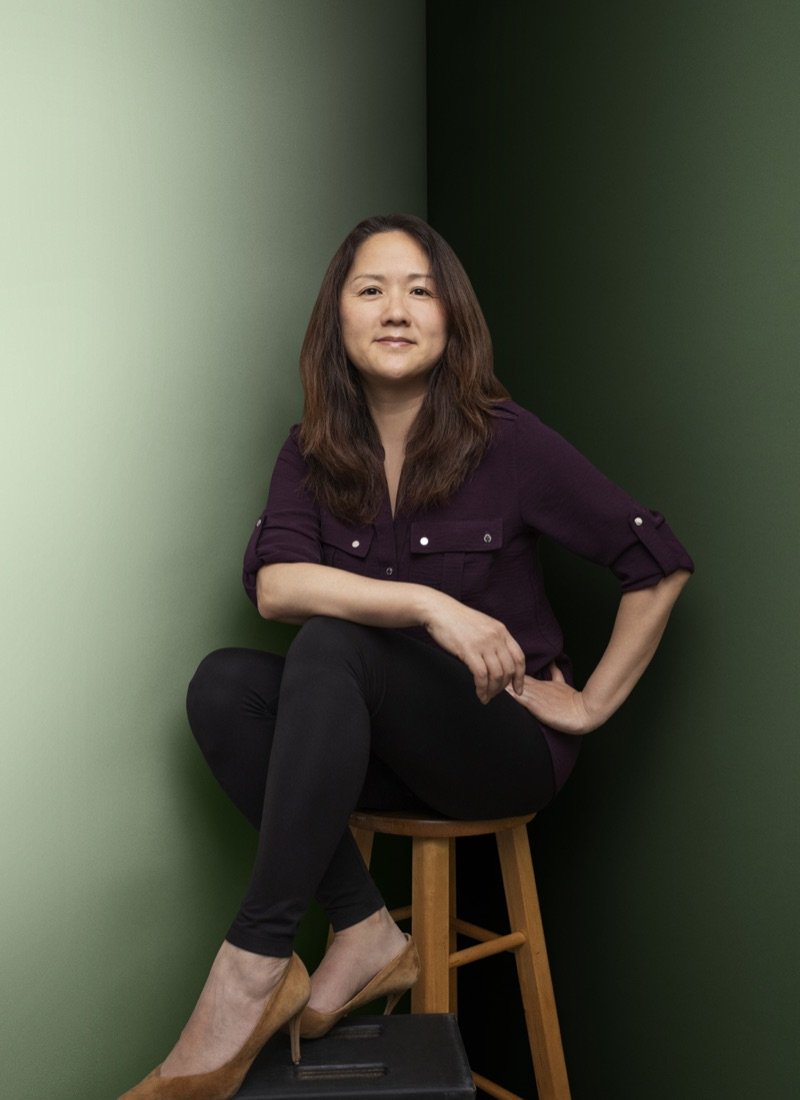
Lin Qiao
Lin Qiao is the CEO and co-founder of global AI inference cloud and infrastructure platform Fireworks AI, enables teams like Cursor, Uber, DoorDash, and Shopify to build, tune, and scale highly optimized generative AI applications. Prior to founding Fireworks, Lin was the co-creator and head of Meta's PyTorch.
▶
Your AI Product Doesn't Have a Moat... Yet
Every company shipping an AI product faces the same problem: if you're calling someone else's API, you're building on rented land. Your competitor can make the same API call tomorrow and ship the same feature. The companies pulling ahead design their products and models concurrently.
Lin Qiao, CEO of Fireworks AI, will share examples from Cursor, Notion and Vercel — teams that integrated fine-tuned models into production to unlock features, cut latency and push code generation past SOTA. What they all have in common is a design pattern of tight feedback loops: when a user corrects an output or finds a better solution, that data improves the model, which improves the product, which generates better data. The product and model evolve together.
Lin will break down what this loop looks like in practice — evaluation frameworks, RFT workflows, infrastructure decisions — and cover the hard tradeoffs: when to fine-tune vs. prompt engineer, how to treat cost and latency as first-class design constraints, and why handing your data to a third-party API might build your competitor's next training set.
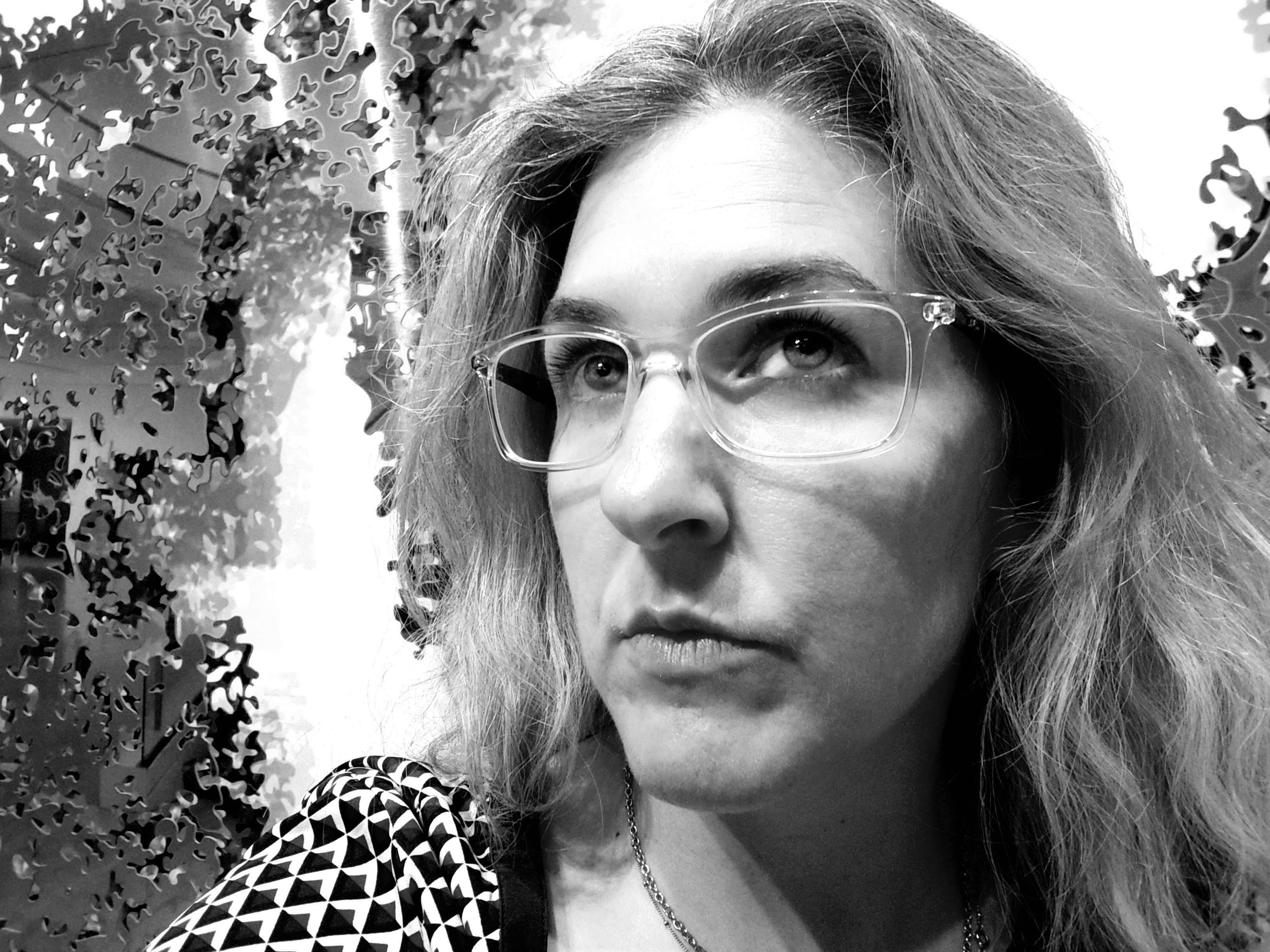
amanda casari
amanda casari is an engineer and researcher who has worked in many technical and socio-technical disciplines for over 20 years, including developer relations, product management, data science, and underwater robotics. amanda was named an External Faculty member of the Vermont Complex Systems Center in 2021 and co-authored Feature Engineering for Machine Learning Principles and Techniques for Data Scientists for O'Reilly. amanda is persistently fascinated by complexity, the differences between the systems we aim to create and the ones that emerge, roller derby, and pie.
▶
Abstract
In 2026, it can be harder than ever for someone in open source to leave their work at work at the end of the day. The future of open source, and technology as a whole, regularly makes news headlines — touching tough and potentially personal subjects such as technical ethics, intellectual property, and the value of volunteer labor.
Whether you're a new contributor looking for a project to grow with, or a salty maintainer who still remembers shipping into production Python 2.anything, you might have asked: "What am I actually building for anymore?"
As part of a global Python community, how do we stay optimistic in times like these? How do we make space for hope for ourselves and with each other? In this talk, we'll examine how we can foster building for a collective future we may never see, but can still believe in.
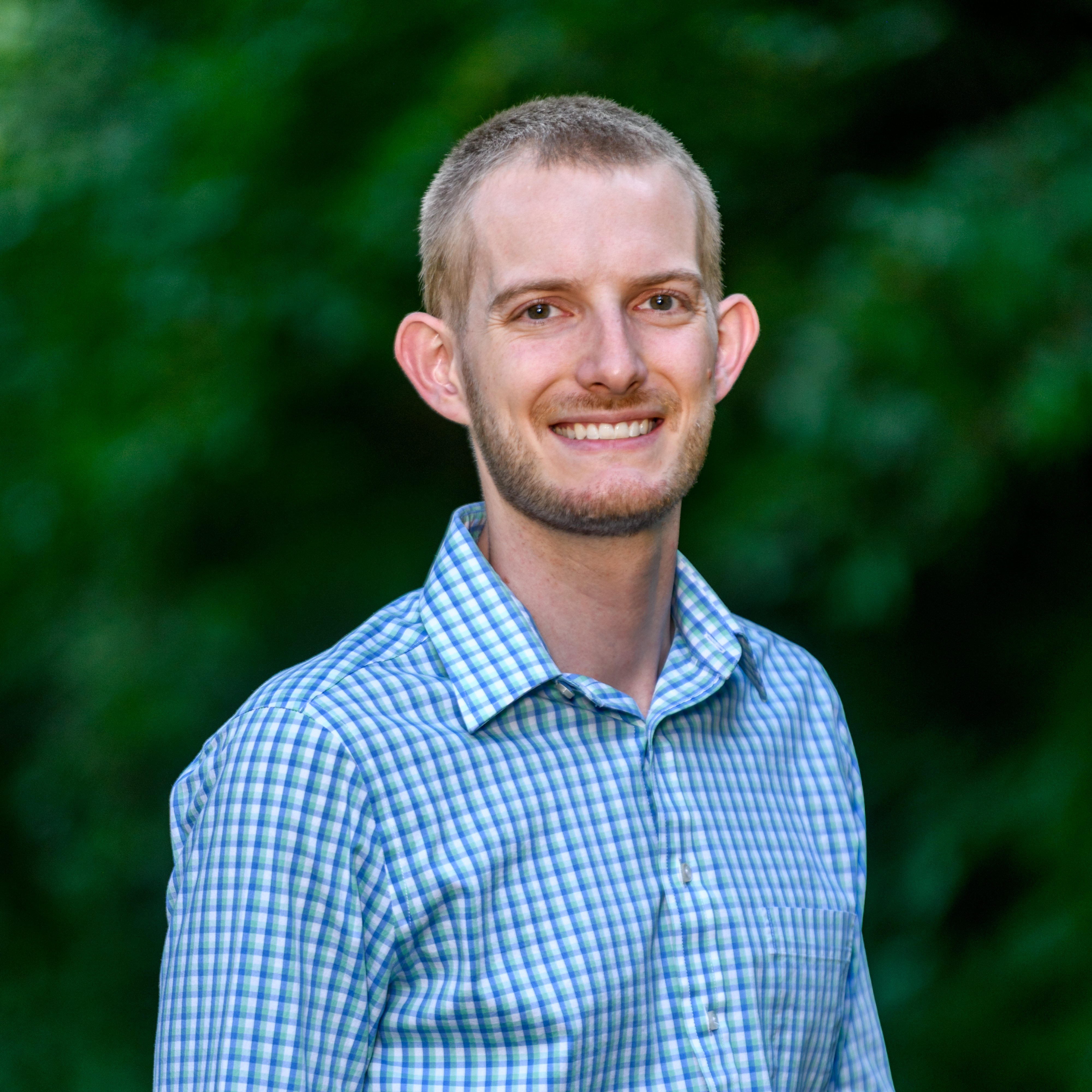
Tim Schilling
I'm a software engineer that loves Django and our community. I'm on the Django Steering Council, a cofounder of Djangonaut Space and an admin of Django Commons. I've been helping maintain django-debug-toolbar and a few other packages. Outside of the software world, I enjoy baking bread, writing, roasting coffee, homebrewing, making hot sauce, and hanging out with my two cats Beef and Roland. Oh and I'm trying to learn the violin!
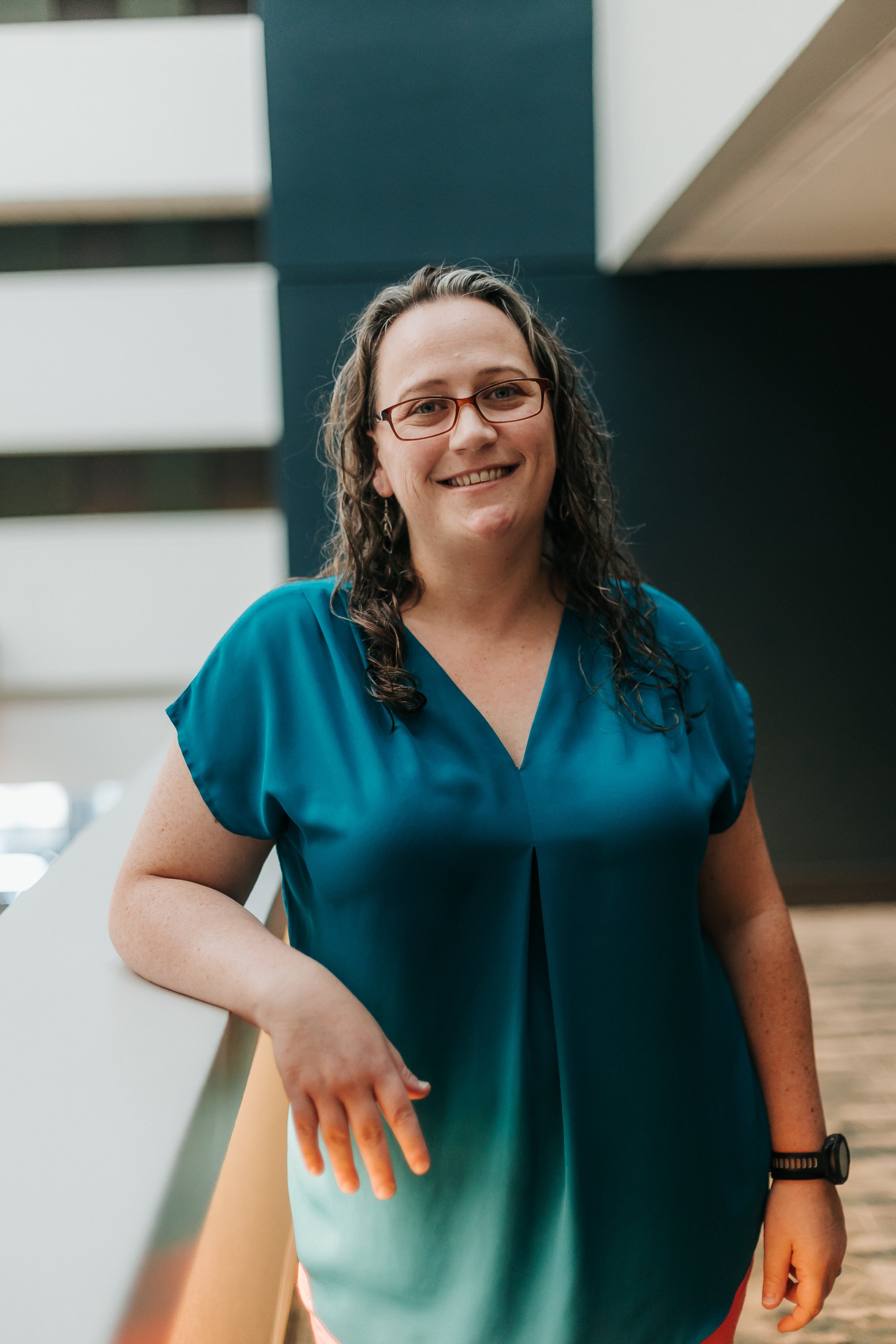
Rachell Calhoun
I'm Rachell, co-founder of Djangonaut Space and a Django developer. I love building practical, user-friendly tools and creating communities where people walk away with new skills, confidence, and some new friends. I've organized Django Girls workshops across multiple countries and continents for over 10 years, an experience that inspired and informed me to co-found Djangonaut Space. I also currently serve as a trustee for Django Girls, alongside organizing both PyLadies and DjangoCon US events. When I'm not helping others navigate their journey into open source, I love consuming all the kinds of things Tim makes. I'm currently deep into learning a stringed instrument of my own: guitar. My two cats, Mio and Beka, have notes.
▶
Djangonaut Space
Joint keynote by Tim Schilling & Rachell Calhoun
Permission to board granted. Find out how we've empowered people to contribute to Django, the third-party ecosystem, and the broader community.
Djangonaut Space is a contributor mentorship program for the Django framework. It centers around a free, 8-week group mentoring session where individuals will work self-paced in a semi-structured learning environment. The program launched its pilot session at the end of 2023 with Session 6 touching down in April of 2026.
The program started with the lofty goals of making contributing to Django more sustainable, helping people level up their Django code contributions, increasing diversity among our code contributors, and setting them up for leadership roles.
After seven iterations in three years, we are seeing the long-term payoffs. We're increasing contributions, developing leaders, and we've seen how an inclusive environment that actively welcomes people in can fuel contributors on their own open-source journeys.
And yes, space puns intended.

Pablo Galindo Salgado
Pablo Galindo Salgado works in the Python team of Hudson River Trading. He is a CPython core developer and a Theoretical Physicist specializing in general relativity and black hole physics. He is currently serving on the Python Steering Council in his 6th term and he is the release manager for Python 3.10 and 3.11. He has also a cat but he does not code.
Note: For Pablo's keynote, we are providing real-time English translation to ensure everyone can follow along:
- On-Screen: Live English captions will be displayed during the presentation.
- Audio: Stream live English audio directly to your device via a link we will share on-site.
En Español:
Pablo Galindo Salgado trabaja en el equipo de Python de Hudson River Trading. Es un core developer de CPython y físico teórico especializado en relatividad general y física de agujeros negros. Actualmente forma parte del Steering Council de Python en su sexto mandato y es release manager de Python 3.10 y 3.11. También tiene un gato llamado BMO pero no programa.
Nota: Para la ponencia de Pablo, ofreceremos traducción al inglés en tiempo real para que todo el mundo pueda seguirla:
- En pantalla: Durante la presentación se mostrarán subtítulos en inglés en directo.
- Audio: Escucha el audio en inglés en directo directamente en tu dispositivo a través de un enlace que compartiremos en el sitio.
▶
Horizonte de sucesos / Event Horizon
En Español:
Mantener uno de los lenguajes de programación más usados del mundo no es solo cuestión de código. Es cargar con decisiones que afectan a millones de personas, ser parte de una comunidad que nunca duerme, y encontrar razones para seguir cuando nadie te lo pide y nadie te paga por hacerlo. El mundo del software está cambiando, y con él, las reglas del juego para quienes lo sostienen desde dentro. En esta charla compartiré lo que he aprendido después de años en las trincheras del open source: qué significa realmente ser maintainer, qué se gana, qué se pierde, y por qué a pesar de todo sigue mereciendo la pena.
In English:
Maintaining one of the most widely used programming languages in the world is not just a matter of code. It means carrying decisions that affect millions of people, being part of a community that never sleeps, and finding reasons to keep going when nobody asks you to and nobody pays you for it. The world of software is shifting, and with it, the rules of the game for those who hold it together from the inside. In this talk I will share what I have learned after years in the trenches of open source: what it really means to be a maintainer, what you gain, what you lose, and why in spite of everything it is still worth it.
Python Steering Council
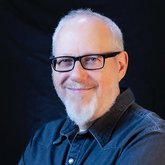
Barry Warsaw
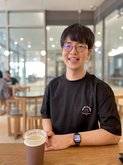
Donghee Na

Pablo Galindo Salgado

Savannah Ostrowski
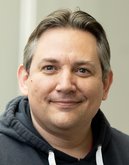
Thomas Wouters
The Python Steering Council is a 5-person elected committee that assumes a mandate to maintain the quality and stability of the Python language and CPython interpreter, improve the contributor experience, formalize and maintain a relationship between the Python core team and the PSF, establish decision making processes for Python Enhancement Proposals, seek consensus among contributors and the Python core team, and resolve decisions and disputes in decision making among the language.
D&I Panel: Python is for Everyone: Growing the Community Without Limits
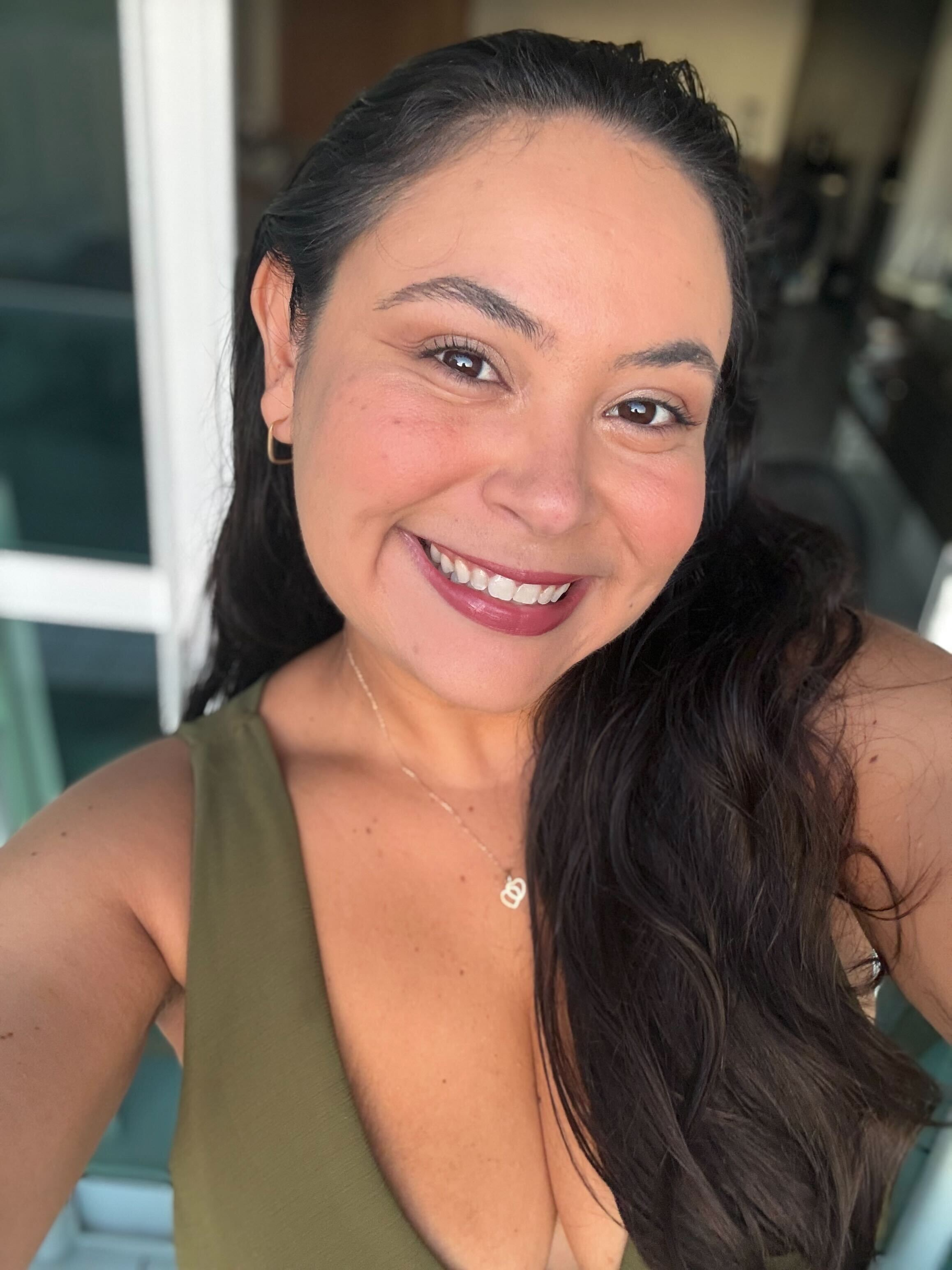
Débora Azevedo
Débora is a public school teacher in Brazil, and one of the cofounders of PyLadies Brazil, the largest PyLadies chapter in the world. She's a PhD student and she researches educational software development. She's currently one of the organizers of Python Nordeste, a regional Python conference in Brazil, and a former PSF board member (2021–2024).
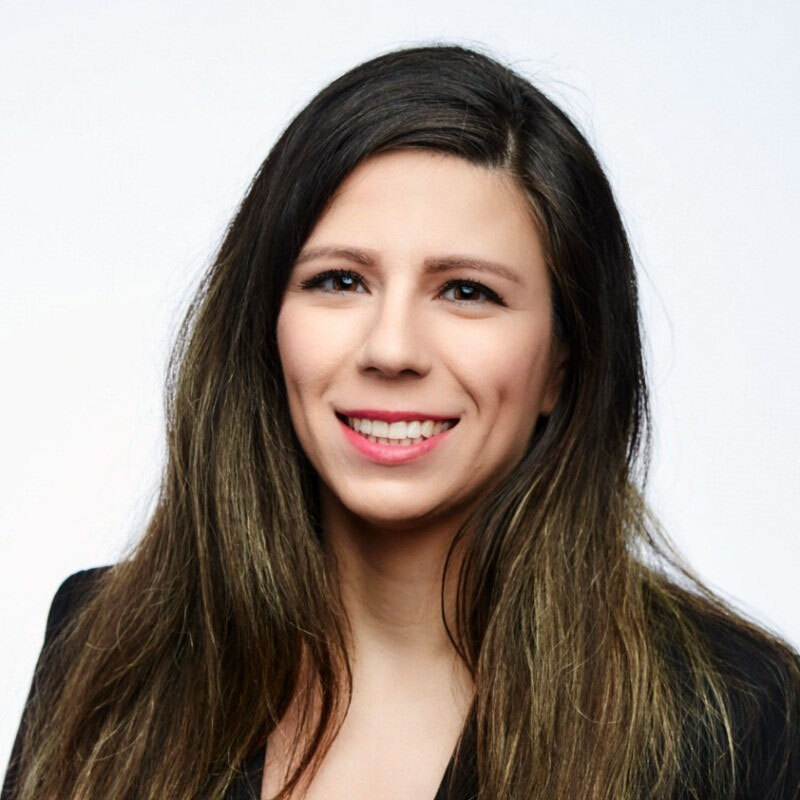
Alla Barbalat
Alla Barbalat began her career as a lawyer before transitioning into tech. She is the lead organizer of PyLadies San Francisco, an avid Python user, and a speaker on topics at the intersection of Python, AI, and law.

Georgi Ker
Georgi Ker is the Director and a Fellow of the Python Software Foundation. She co-organizes PyLadiesCon and chairs the D&I Workgroup within the PSF. She is also one of the co-hosts of the podcast series “The Hidden Figures of Python” alongside Mariatta Wijaya, Cheuk Ting Ho, and Tereza Iofciu.
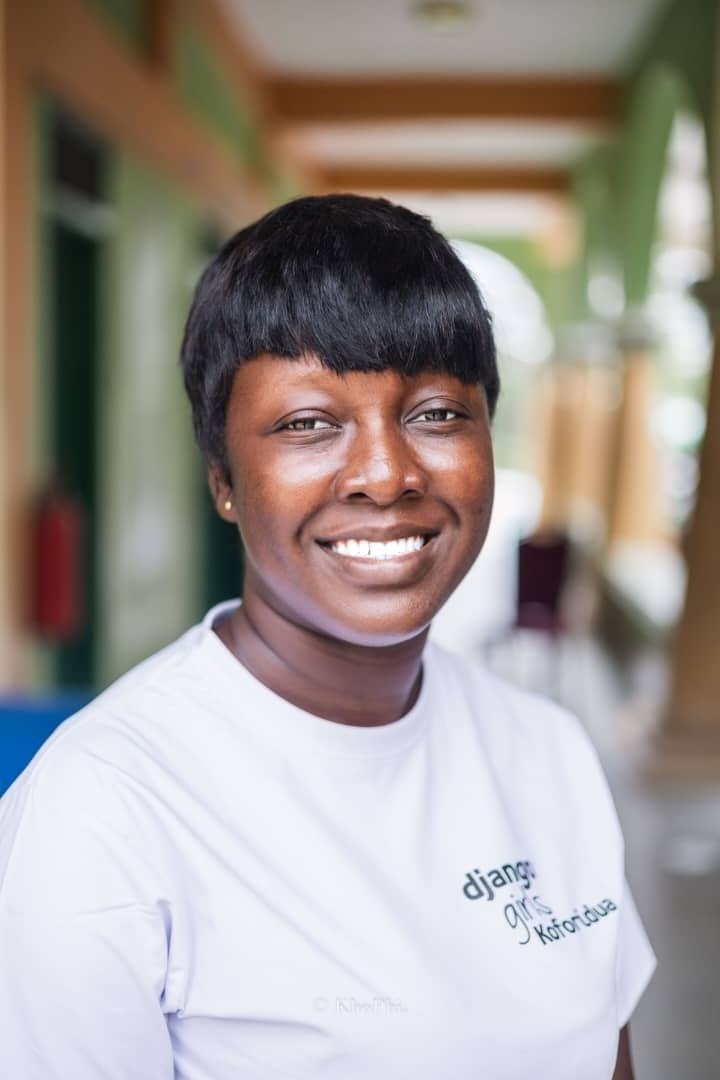
Theresa Seyram Agbenyegah (Stancy)
Theresa Seyram Agbenyegah (mostly referred to in the Tech community as Stancy) is a Software Engineer, Open-Source advocate, and Social Entrepreneur. She currently serves as the Programmes and Events Lead for PyLadies Ghana and is a member of Python Ghana. She is a DSF member and a member of the DSF event support working group, a PSF Diversity and Inclusion workgroup member, an Outreach ambassador for the CHAOSS DEI workgroup, and a Django Girls organizer.
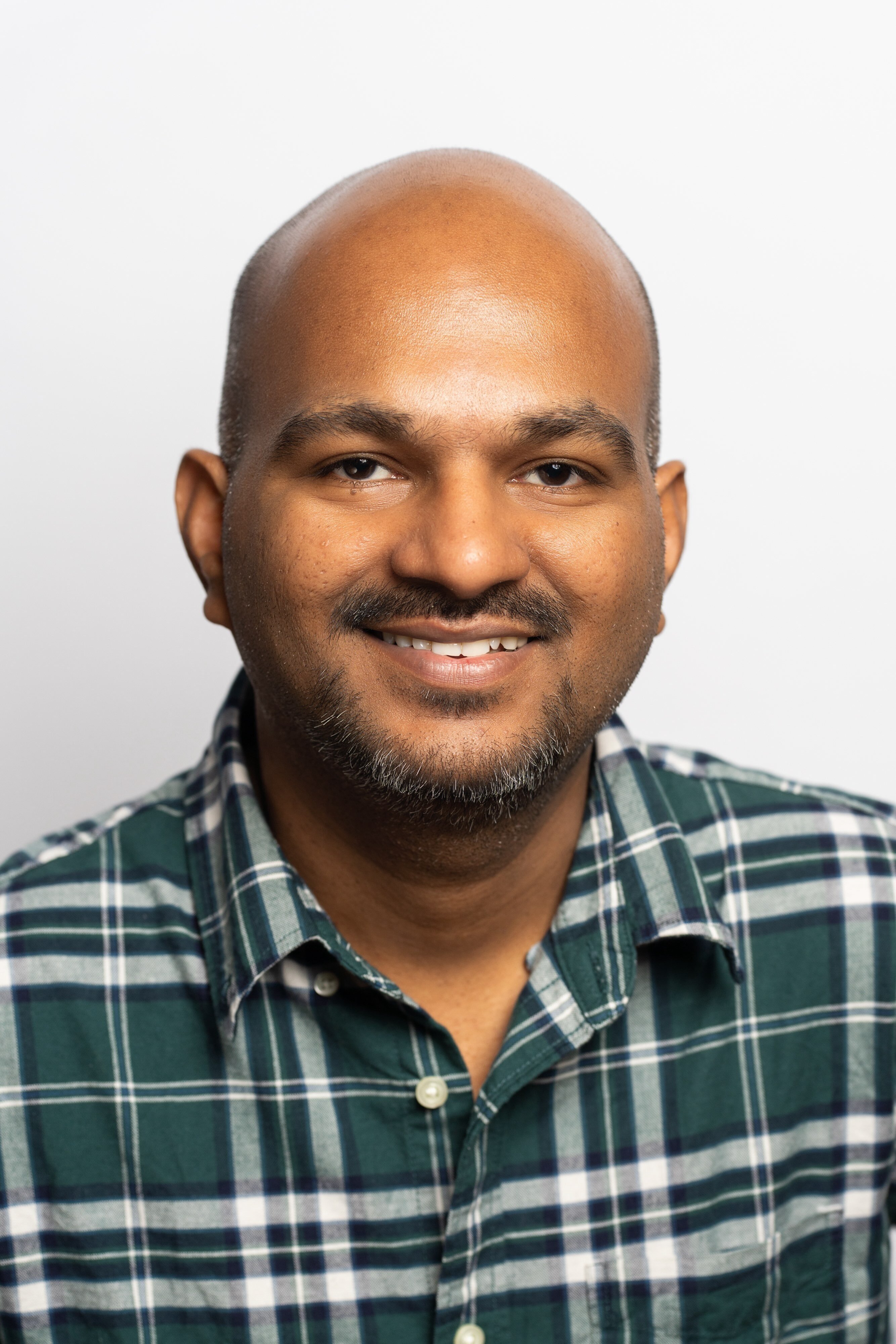
Abhijeet Mote
Abhijeet is a Lead Python AI Engineer and Fellow of the Python Software Foundation. He founded Python Penang, Malaysia, where he has helped grow the local developer community. He has spoken at international conferences including PyCon Italy, runs workshops, and mentors students and underrepresented groups in technology. His work focuses on scalable Python AI systems, distributed systems, data pipelines, and LLM-based applications across adtech, semiconductor, and healthcare.